Just received marks for my final class of Mount Royal University’s Addiction Studies Extension Certificate. I took this program to better support the many individuals who come to art therapy and have experienced some aspect of addiction. The six online classes covered topics such as the effects of addictions on individuals, youth, families, and the brain as well as concurrent disorders and treatment.
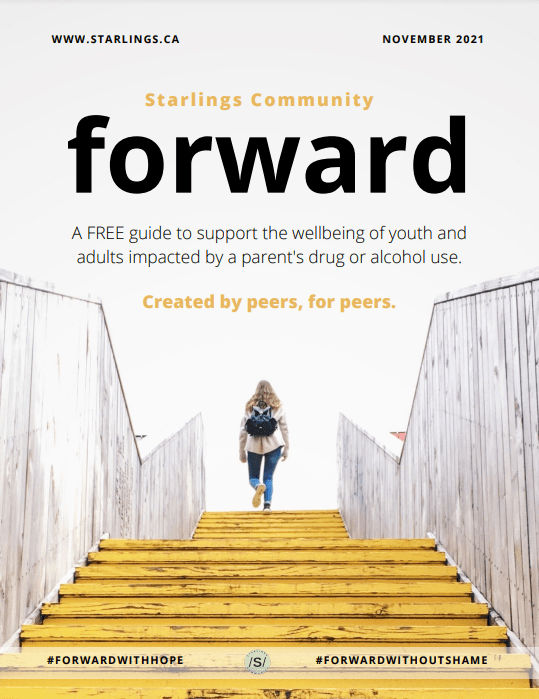
Something I’ve noticed over the years is that there doesn’t seem to be enough support for youth who have an addicted parent, so I’m pleased to pass along a link that was shared in class to a guide produced by Starlings in Calgary:
Many friends and family over the past few years have been confronted with a cancer diagnosis and treatment, so I decided to go through the American Art Therapy Association’s outcomes-based research bibliography for information about art therapy’s efficacy for cancer patients. The articles I found are listed in the attached pdf file for those of you who are also interested. A Google search of “cancer and art therapy” will also bring up many, many examples of art therapy in cancer treatment.
There are a few spaces left for two art therapy classes I’m facilitating at the Refinery in Saskatoon. Explore grief and loss through Wolfeldt’s Ten Essential Touchstones over four sessions in May and June. Or try the one-day workshop in June called Growing the Good and discover personal resources to help you in difficult situations. Check out these and other Refinery class offerings: http://www.emmanuelrefinery.org/classes
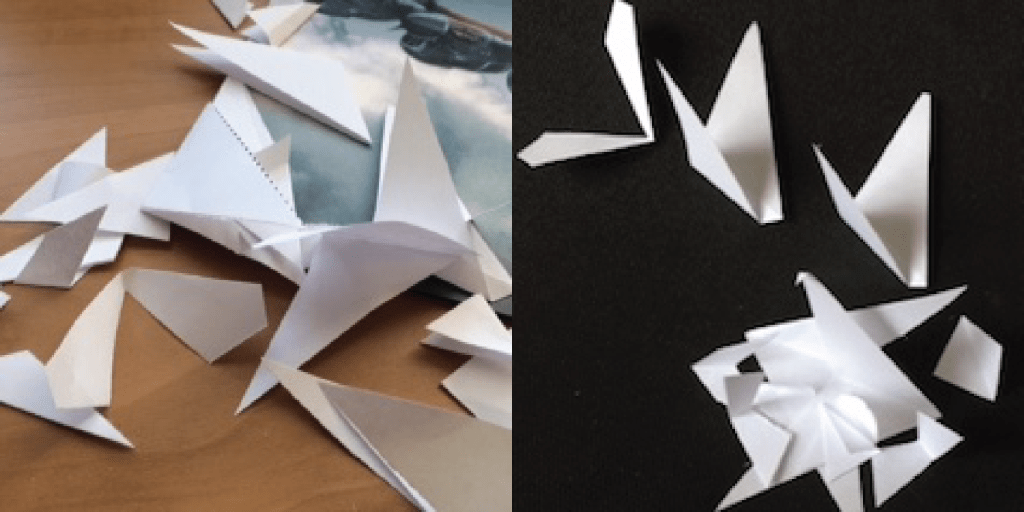
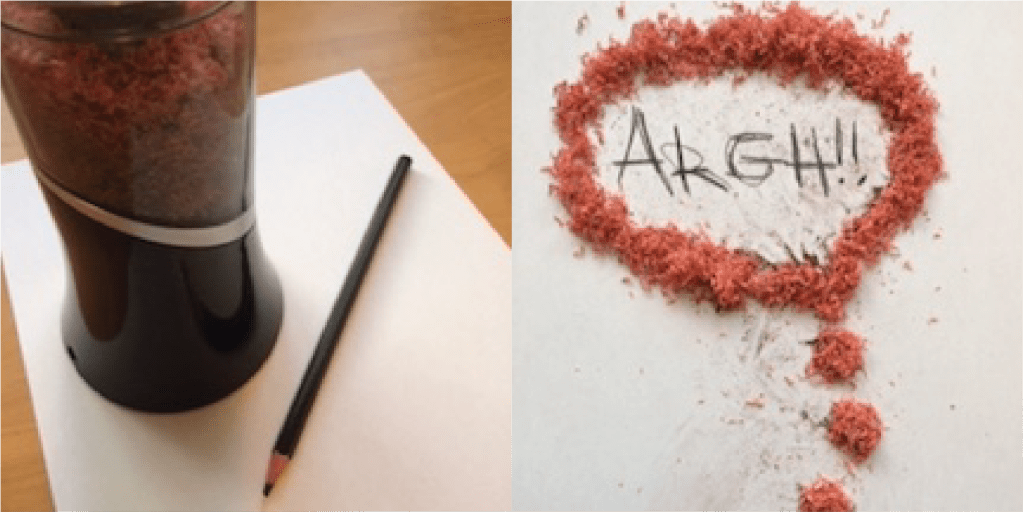
Studies show that virtual therapy can be just as effective as seeing a therapist in person. And it can be easier to connect with a therapist if you don’t have to go to their office or you live in a remote location. For virtual art therapy sessions you can use any materials or objects you have on hand, like the examples in the photos above. If you don’t have access to art supplies or a dollar store that has inexpensive materials, I can ship a kit to you.
The process is the same as in-person sessions: beginning with a check in, choosing and using materials to make something, then discussing what it was like to use the materials and what you notice in what you’ve made. We’ll explore how your insights from our discussion increase your self-awareness, reduce or shift symptoms and/or perceptions, and inform how you can work toward the changes you want in your life.
As with all online therapy, a quiet place with no interruptions is important. I use the NousTalk therapy platform that provides secure, encrypted sessions.
Research around the world is growing in support of art therapy’s effectiveness with reducing symptoms of pain, anxiety, trauma and more. The Canadian Art Therapy Association (CATA) publishes a research journal as does the American Art Therapy Association (AATA). Art therapy masters and masters-level programs, which are required to practice as an art therapist, include research classes as well as a thesis or project. Qualitative and quantitative results are available for many populations; here are links for just a few examples: children, cancer patients, adults, and the AATA has a 54-page outcomes bibliography. A Google search will bring up books and research about art therapy including general resources and for specific populations or concerns. If an evidence-based approach is important to you and you’re considering art therapy, ask the art therapist: How they support client values and expectations; about their expertise; and how they apply research findings and resources. Not unlike other psychotherapies, art therapists can work with you to develop a treatment plan with measurable goals and objectives and within a time frame based on your expectations.
Art therapy is a way to explore issues, concerns, and strategies for change using the creative process that does not rely on words to be helpful. The questions I ask about how and what you’ve made lead to insights that increase your self-knowledge and inform the steps you want to take toward positive change. My therapeutic approaches include psychodynamic, humanistic, strengths-based, and trauma- and attachment-informed.
You do not need to be an artist to do art therapy. You use materials on hand to make spontaneous art or to do creative activities I suggest based on the concerns that brought you to art therapy. You can make scribbles, stick figures, swirls of colour, collage images, clay shapes, glitter and paint on wood, etc. Can’t imagine what virtual art therapy would be like? Check out my blog post, Healing with Virtual Art Therapy.
Virtual sessions for individuals, parents and children, or groups. Ontario resident health insurance providers often cover session costs.
In-person outreach sessions where I bring art therapy to individuals and groups in the Saskatoon area.
Art therapy supervision individual sessions and groups.
Request a “Free Consultation“ or contact me by phone or email for more information.
I acknowledge and am grateful for the Treaty Six Territory and Métis nation homeland on which I live and work.





 Dianne Shannon Art Therapy