Search

Dianne Shannon Art Therapy

creation + reflection + insight = change

Tag

mental-health

CADDRA, ADHD, and art therapy

I’m pleased to share that I’m now a member of the Canadian ADHD Resource Alliance (CADDRA) made up of physicians, psychologists, allied health care professionals, and researchers interested in ADHD. CADDRA’s education, guidelines, advocacy, and research will help me better support people with ADHD.

People of all ages come to art therapy with big issues disrupting how they would rather live their lives, and many either know they have ADHD or think it’s a possibility. That’s why I joined CADDRA. Relationship troubles, addictions, anxiety, low self-esteem and self-worth, dangerous or difficult behaviour, not doing as well as expected at work or school can all be part of the ADHD experience.

Art therapy is engaging and helpful for people with ADHD because creativity:

  • is a physically active process
  • exercises executive functioning (like the process to create a collage!)
    • planning, organization, starting tasks, focusing, managing time, problem solving, and controlling emotions
  • does not rely on words to communicate
  • externalizes emotions and experiences
  • anchors strengths-based accomplishments in the object that’s made
    • sense of self-mastery
    • improved self-awareness and understanding
    • a concrete record of progress
  • provides tools for self-regulation and stress relief
  • strengthens fine and gross motor skills

I’m looking forward to weaving what I learn through CADDRA into my art therapy practice.
Free, online addictions counselling

Edgewood Health Network (EHN) Canada offers an eight-week treatment program for adults with mild to moderate drug and/or alcohol addictions, and it’s free if you have a Saskatchewan health card. 

You can refer yourself or through a referral from private mental health and addiction health care providers, SHA mental health and addictions providers, physicians, and nurse practitioners.

The program is followed by 10 months of supportive aftercare and includes education and support for families, support persons, and loved ones of program participants.  

Potential funding for art therapy in Saskatchewan schools

The province’s Teacher Innovation and Support Fund is available for initiatives to improve student and teacher wellness, student achievement, and school safety. What a great opportunity for teachers to bring art therapy to schools in support of student mental health! Find an art therapist near you to team up for accessible, developmentally responsive, and trauma-informed student supports.

https://www.saskatchewan.ca/residents/education-and-learning/prek-12-education-early-learning-and-schools/teacher-innovation-and-support-fund#further-information

Bringing art therapy to schools reduces barriers to access supports and offers opportunities to do groups with peers who share common experiences. I’ve delivered groups in schools for children who witness violence, newcomer children and youth, high-risk youth in care, bullying behaviours as well as individual art therapy sessions.

Here’s a link to videos on my site about the benefits of art therapy in schools: https://dianneshannonarttherapy.ca/about-art-therapy/#:~:text=Art%20Therapy%20in%20Schools

Here are some of the many examples when you do an “art therapy in schools” online search:

https://thrivealliancegroup.com/art-therapy-improves-mental-health-and-behavior-at-school/

https://arttherapy.org/art-therapy-helps-children-make-sense-of-the-insensible/

Virtual art therapy

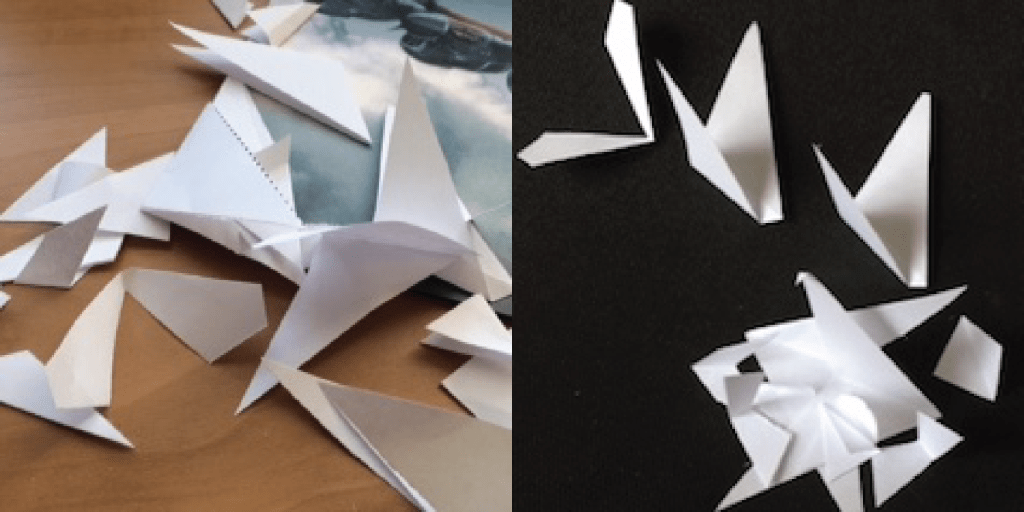
Studies show that virtual therapy can be just as effective as seeing a therapist in person. And it can be easier to connect with a therapist if you don’t have to go to their office or you live in a remote location. For virtual art therapy sessions you can use any materials or objects you have on hand, like the examples in the photos above. If you don’t have access to art supplies or a dollar store that has inexpensive materials, I can ship a kit to you.

The process is the same as in-person sessions: beginning with a check in, choosing and using materials to make something, then discussing what it was like to use the materials and what you notice in what you’ve made. We’ll explore how your insights from our discussion increase your self-awareness, reduce or shift symptoms and/or perceptions, and inform how you can work toward the changes you want in your life.

As with all online therapy, a quiet place with no interruptions is important. I use the NousTalk therapy platform that provides secure, encrypted sessions.

Book a complimentary meeting to find out more: https://dianneshannonarttherapy.noustalk.com/welcome

Blog at WordPress.com.

Up ↑