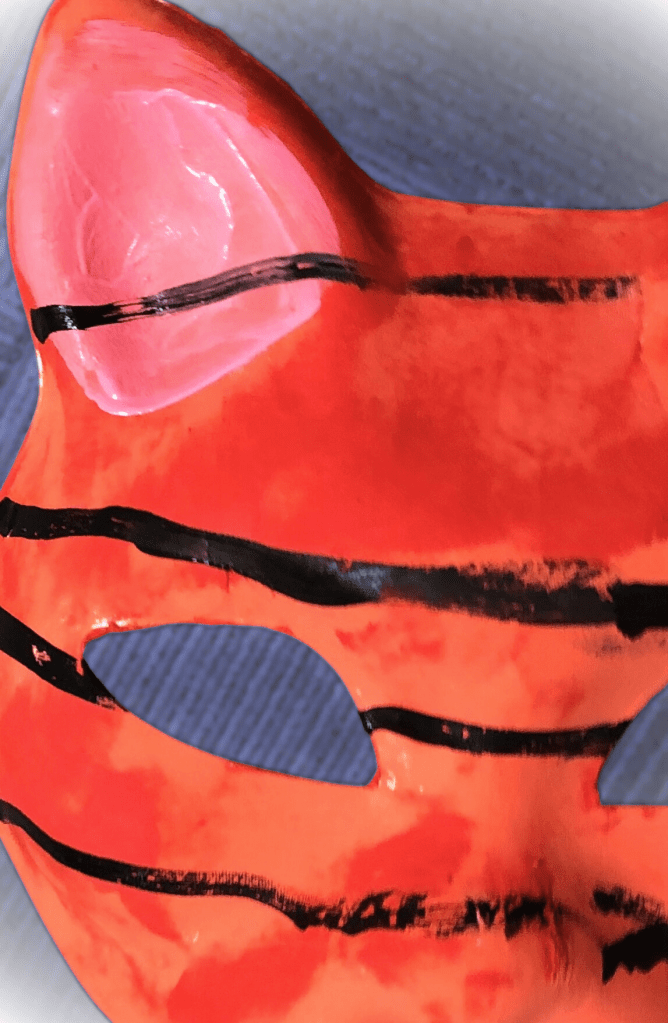
Anger is an important emotion that warns us when we’re upset by someone or something, but some times it triggers reactions and actions that lead to big problems. A questionnaire to find out what animal you are when you’re angry has just been added to my download page. I came up with this activity to help youth better understand and manage their anger and have used it with individual clients and groups. The activity is fun and engaging, but be prepared to hold and comfort the big feelings that might come up too.
Have your questions answered by going to the NousTalk landing page, choosing “I’m a new client” then booking a free consultationwith me. You can also book a free consultation on First Session.
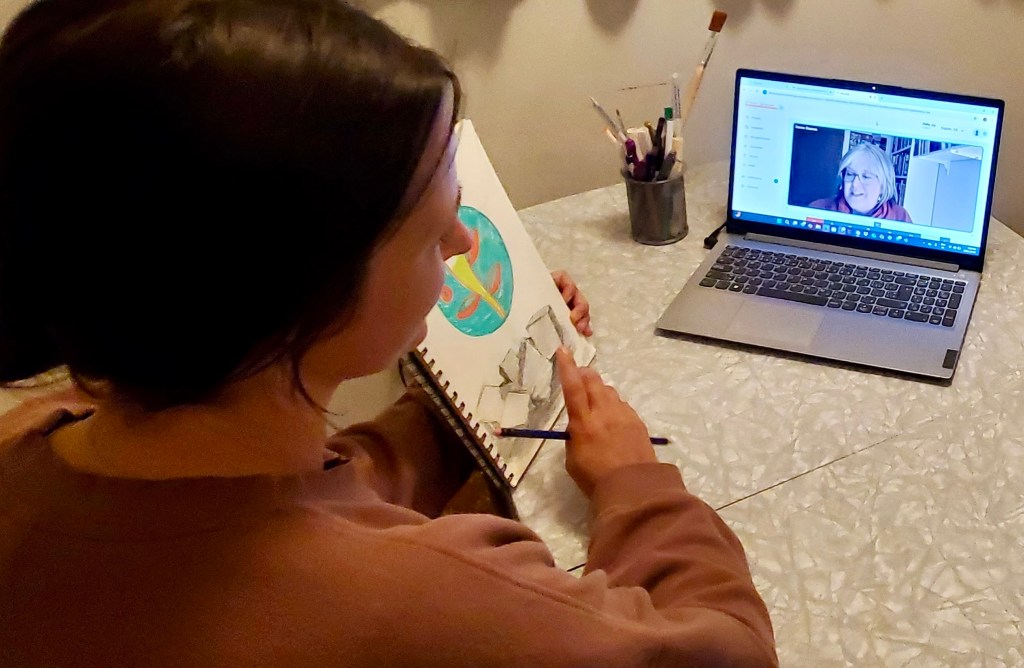
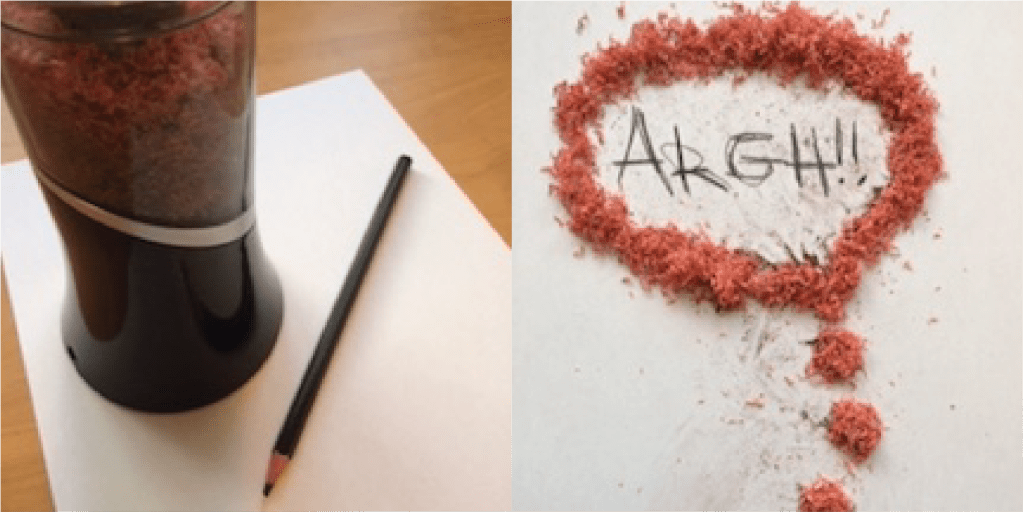
Studiesshow that virtual therapy can be just as effective as seeing a therapist in person. And you don’t have to leave your house. Use any materials or objects you have on hand, such as the examples in the photos below.
The process is similar as in-person sessions: begin with a check in, choose and use materials to make something, I’ll ask questions about what the process was like for you and what you notice in what you’ve made. We’ll explore how your insights from what you’ve made increase your self-awareness, reduce or shift symptoms and/or perceptions, and inform how you can work toward the changes you want in your life.
As with all virtual therapy, a quiet place with no interruptions is important as well as a strong internet connection.
Use any materials or objects you have on hand!Here are a few less-traditional examples to spark your imagination, but more conventional art materials are welcome too, such as markers and paper, paint and canvas board, or clay.
Not knowing what to say to someone if you’re worried about their risk of suicide can be unsettling. What if you don’t say anything and something bad happens? What if you do say something and they stop talking to you?
Having a conversation with someone at risk of suicide while they fill out the safety plan card can serve as a reminder of community and personal resources. It’s also an opportunity to let them know they are not alone.
Join art therapist, artist, friend Chrystene Ells and Xstine Cook for an immersive, nature-based, creative experience August 21-25 just south of Saskatoon.
“Connect with nature and your inner wilderness through mythic archetypes, mask making with natural materials, and therapeutic art practices…this retreat extends an invitation to explore the potential potency of aging and menopause through creative reflection and shared exchange. “
I’ve closed my studio space to offer online and outreach sessions only. Thanks to all the wonderful people who came to the studio for in-person group and individual sessions. I was honoured to be part of your healing journeys at 504 Ave L South.
Follow this site to get updates about virtual/online and outreach sessions. Virtual/online sessions are expected to start the beginning of August. Outreach sessions for groups and individuals are expected to resume in January 2026.
Parents of children and youth with autism are invited to find out about art therapy and how to access provincial Individualized Funding to cover the cost of sessions. Information will be shared by myself and David Baudemont DKATI about the art therapy profession and the benefits of art therapy for autistic children and youth. The session will end with a Q and A.
7 pm on May 29, 2025 at 209 Fairmont Drive, Saskatoon or get a Zoom link when you register to join us online.
211 is a free, confidential helpline available across Canada in 175 languages. When someone dials 2-1-1, they are connected with a 211 Navigator who can guide them to government programs, community services, and essential social supports.
Over the next three weekends I’m looking forward to learning more about art therapy and: neuroscience; grief, death, and loss; materials and techniques. Check out the impressive speakers who are presenting. And it’s free! https://www.artstherapies.org/course/world-art-therapy-conference-2025
Edgewood Health Network (EHN) Canada offers an eight-week treatment program for adults with mild to moderate drug and/or alcohol addictions, and it’s free if you have a Saskatchewan health card.
You can refer yourself or through a referral from private mental health and addiction health care providers, SHA mental health and addictions providers, physicians, and nurse practitioners.
The program is followed by 10 months of supportive aftercare and includes education and support for families, support persons, and loved ones of program participants.