Many young clients are told they have ADHD but not about how ADHD can impact their life beyond not paying attention and being hyper. Here’s a handout with examples of famous people who have ADHD, ways that ADHD can effect the daily lives of children and youth, and how art therapy can help.

The College of Registered Psychotherapists of Ontario has accepted me as a qualifying registered psychotherapist. What does that mean since my office is in Saskatoon? I’m now able to deliver online art therapy to clients in Ontario including people with benefit plans that cover the cost of sessions delivered by qualifying RPs (and many plans do!).
Registration with a provincially legislated college protects clients by ensuring mental health supports are delivered by qualified and insured practitioners who must demonstrate ongoing professional development. Of the 10 Canadian provinces, five have a regulatory body for counsellors and therapists. The territories and Nunavut do not.
A Saskatchewan college has been in the works for many years thanks to the efforts of 10 member organizations. For more information visit Fact-SK https://www.fact-sk.org/
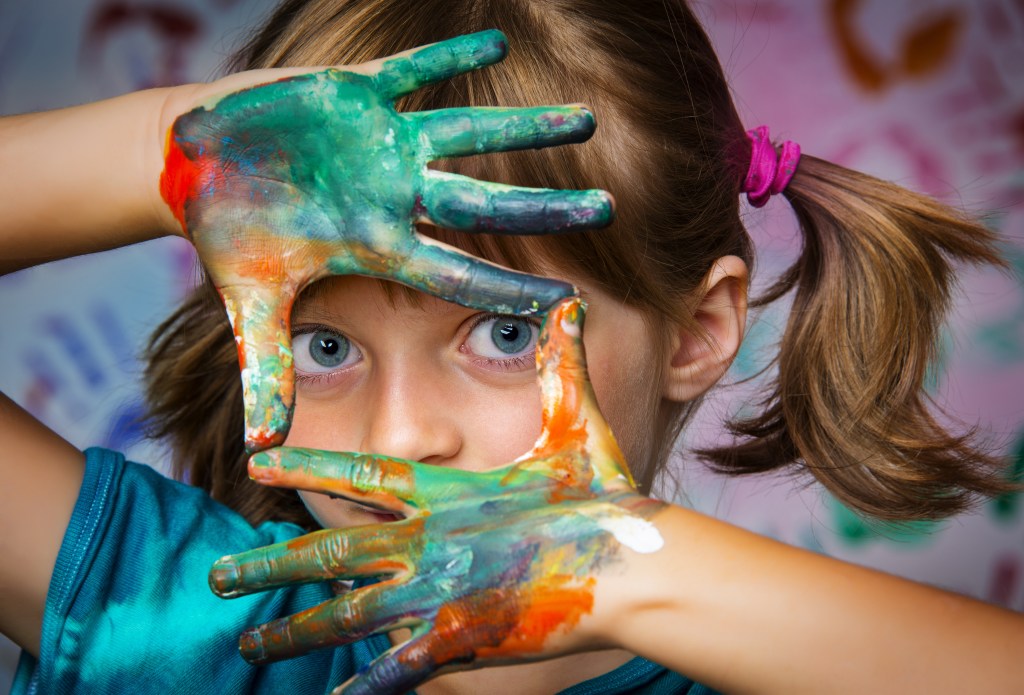
The province’s Teacher Innovation and Support Fund is available for initiatives to improve student and teacher wellness, student achievement, and school safety. What a great opportunity for teachers to bring art therapy to schools in support of student mental health! Find an art therapist near you to team up for accessible, developmentally responsive, and trauma-informed student supports.
Bringing art therapy to schools reduces barriers to access supports and offers opportunities to do groups with peers who share common experiences. I’ve delivered groups in schools for children who witness violence, newcomer children and youth, high-risk youth in care, bullying behaviours as well as individual art therapy sessions.
Here’s a link to videos on my site about the benefits of art therapy in schools: https://dianneshannonarttherapy.ca/about-art-therapy/#:~:text=Art%20Therapy%20in%20Schools
Here are some of the many examples when you do an “art therapy in schools” online search:
https://thrivealliancegroup.com/art-therapy-improves-mental-health-and-behavior-at-school/
https://arttherapy.org/art-therapy-helps-children-make-sense-of-the-insensible/
Follow my Facebook page for activities, recommendations, client news, shares from community FB pages, practice updates, kudos to other Saskatchewan art therapists, and more.

Two days of presentations through the Children’s Grief Awareness Symposium provided concrete tools and relevant information, so glad I took part! Feeling fortunate to have more tools in my tool box to support grieving children and youth. Topics I attended were about the death of a sibling or parent, the complexities of children’s grief, grief experiences of Indigenous youth, how grief presents in very young children, grief in the 2SLGBTQ+ community, and understanding anticipatory grief.

I’m looking forward to attending this important offering of workshops about supporting grieving children and families. Grief practitioners from across Canada deliver workshops over two days on many, many topics. Check it out!
https://www.grievingchildrencanada.org/index.php/grief-symposium
Feeling grateful for the Refinery inviting me to offer another Growing the Good session January 25th from 7-9:30 pm. Participants reframe challenging situations by shifting negative perceptions to resources of personal strength and wisdom. Check out all the other wonderful Refinery offerings!
https://www.emmanuelrefinery.org/grow-with-us/classes

Adapted from Lisa Mitchell.

Kids with autism often have strengths in the areas of non-verbal reasoning, creativity, imagination, and spatial relations. They can tap into these strengths through art therapy while being supported in other areas such as communication, social skills, motor skills, and self-regulation. Check out the documents below for more information about how children and youth with autism can benefit from art therapy.
UPDATE: Saskatchewan Health now allows families to use their Individualized Funding for art therapy. To be reimbursed for art therapy costs, children/youth need to be recommended for art therapy by their consultant or mental health staff at Autism Services Saskatoon, an Autism Service Provider or by a regulated professional within a school division, the Saskatchewan Health Authority, or the Athabasca Health Authority.
The list of approved services is reviewed annually. Art therapy becoming an approved service would mean families could contact Saskatchewan art therapists directly without needing a recommendation from a service provider.
To express your support for art therapy becoming an approved service, send a message to autismregistry@health.gov.sk.ca
The ASK workshop for assessing suicide in children and youth aged 5-14 years just wrapped up. Thanks to ABK Wellness for an informative and relevant workshop that covered topics such as warning flags, protective factors, coping styles, and approaches for having conversations about suicide with young people and families. Even though death by suicide among youth under 14 years of age is not common – 46 were recorded in 2018* – suicide is on the minds of many young people who come to art therapy and, understandably, a very big concern for their families. The ASK workshop provided me with additional tools and information to better support young people and their families when suicide is a concern.
For more information about the workshop visit: https://www.abkwellness.ca/assessing-suicide-in-kids
*For more information about youth and suicide visit: https://www.suicideinfo.ca/resource/children-and-suicide/
In response to people of all ages who I’ve met and are at risk of suicide, I designed a business-card-size safety plan to be easily available – for example in a pocket or wallet – when someone has thoughts of suicide. You’re welcome to download and print the card for anyone who might benefit from having a reminder close at hand of personal resources and 24/7 help lines: https://dianneshannonarttherapy.ca/resources/


